

Why High Coast Longevity Intelligence exists
High Coast Longevity Intelligence exists because there is a gap in how health is currently understood and managed.
Modern healthcare is highly effective — but it is primarily designed to respond when something has already gone wrong.
Longevity requires a different perspective.




A system built for disease
Healthcare systems are structured around:
- diagnosis
- treatment
- intervention
This model works well for acute conditions and advanced disease.
But it leaves limited space for:
- early understanding
- long-term monitoring
- gradual biological change
As a result, many processes that develop over years remain largely unaddressed.


The missing layer
Between “healthy” and “disease” there is a long phase where:
- biological systems begin to shift
- risk factors accumulate
- function slowly changes
This phase is often invisible in traditional care.
High Coast Longevity Intelligence is built to operate in this space —
where change can be observed, understood, and influenced earlier.
Limited use of data over time
Modern medicine uses advanced diagnostics.
However, these are often applied:
- at single points in time
- in response to symptoms
There is less emphasis on:
- continuous measurement
- long-term data patterns
- individualized trajectories
Longevity requires a more continuous approach.


Disconnected factors
Health is influenced by multiple factors:
- biology
- environment
- lifestyle
- nutrition
These are often treated separately.
High Coast Longevity Intelligence is built on the idea that these factors must be integrated —
not managed in isolation.
A need for structure
There is growing awareness around longevity.
But much of the space is:
- fragmented
- inconsistent
- lacking structure
High Coast Longevity Intelligence exists to provide:
- a clear framework
- a structured approach
- a consistent model

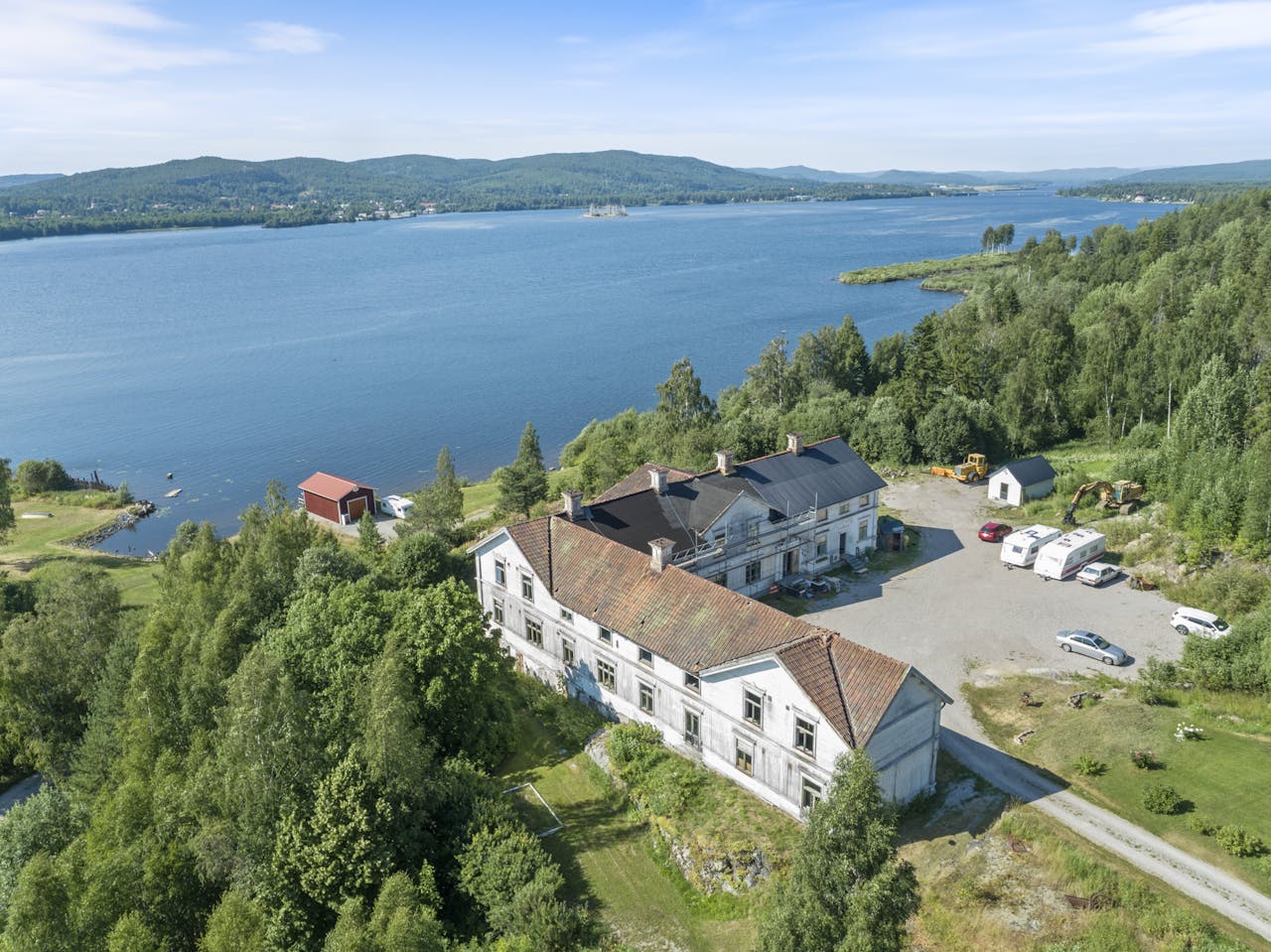
Why the High Coast
The High Coast offers a stable and controlled environment for development.
At Borgen Marieberg, it becomes possible to:
- combine measurement and environment
- create consistent routines
- test and refine approaches over time
This allows the concept to move from theory to practice.
A long-term initiative
High Coast Longevity Intelligence is not a short-term project.
It is being built as a long-term platform to:
- better understand human biology over time
- develop structured approaches to health
- contribute to a broader shift toward preventive models