
Moving Beyond Isolated Approaches
Most approaches to longevity focus on individual factors.
- a specific diet
- a supplement
- a training method
- a medical intervention
While each of these can have value, they are often applied in isolation.
This creates a fragmented view of health.
Longevity, however, is not determined by a single variable.
It is the result of how multiple systems interact over time.
Longevity as a System
A more complete model views longevity as a system.
This system is shaped by:
- biological processes
- environmental conditions
- behavioral patterns
- time and adaptation
These elements do not act independently.
They continuously influence each other.
Understanding longevity therefore requires moving from isolated interventions to integrated systems.
The Biological Foundation
At the core of longevity are fundamental biological processes.
These include:
- mitochondrial function (energy production)
- oxidative balance
- inflammatory regulation
- cellular repair and turnover
- nitric oxide and circulation
Together, these processes determine:
- energy availability
- recovery capacity
- resilience to stress
- long-term function
They are measurable, dynamic, and interconnected.
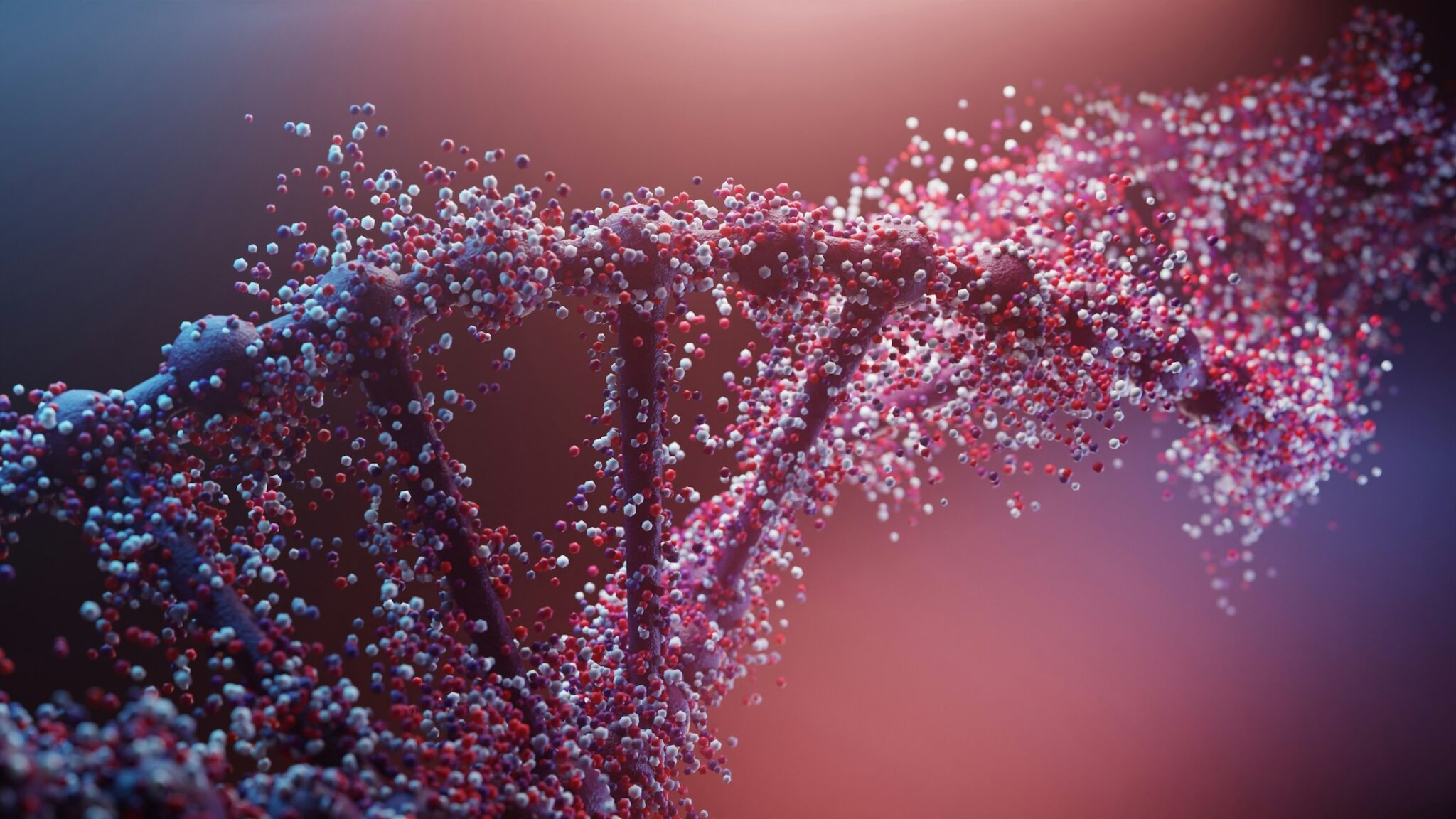
At a deeper level, these systems form the basis of what is described as cellular health, where changes over time reflect how the body is aging and adapting.
Measurement as a Starting Point
A structured approach begins with measurement.
Without data, there is no reference point.
Key areas of measurement include:
- metabolic markers
- inflammatory indicators
- cardiovascular function
- biological age estimates
These provide insight into how the body is functioning at a given point in time.
More importantly, they allow for tracking change over time, rather than relying on isolated observations.
Environment as a Biological Input
Biology does not operate in isolation.
It responds continuously to environmental conditions.
Key environmental factors include:
- light exposure and circadian rhythm
- temperature variation
- physical terrain and movement
- seasonal changes
These factors influence:
- metabolism
- hormonal regulation
- stress response
- cellular function
In many modern environments, these inputs are reduced or absent.
This creates a disconnect between biological design and daily conditions — a concept explored further in evolution-based longevity, where human biology is understood in relation to the environments it evolved in.
Behavior as the Connecting Layer
Behavior connects internal biology with external environment.
It determines:
- how the body is used
- how it recovers
- how it adapts over time
Examples include:
- movement patterns
- sleep and recovery routines
- exposure to environmental variation
- long-term habits
Behavior translates potential into actual change.
Adaptation Over Time
Longevity is not achieved through single interventions.
It is the result of repeated exposure and adaptation.
The body responds to:
- stress
- recovery
- variation
Over time, this creates:
- increased capacity
- improved resilience
- maintained function
Without variation, adaptation slows.
With excessive stress, systems break down.
Balance is required.
From Intervention to Structure
A system-based approach replaces isolated actions with structure.
Instead of asking:
“What should I do today?”
The question becomes:
“How is the system designed over time?”
This includes:
- when to measure
- how to interpret results
- how to adjust behavior
- how to use environment as input
This creates continuity rather than short-term change.
The Role of Place
Environment is often treated as secondary.
In reality, it can be central.
Certain locations provide conditions that support:
- natural variation
- reduced external noise
- exposure to environmental stimuli
- alignment with biological rhythms
These conditions are difficult to replicate artificially.
Place, therefore, becomes part of the system.
The High Coast as a Model Environment
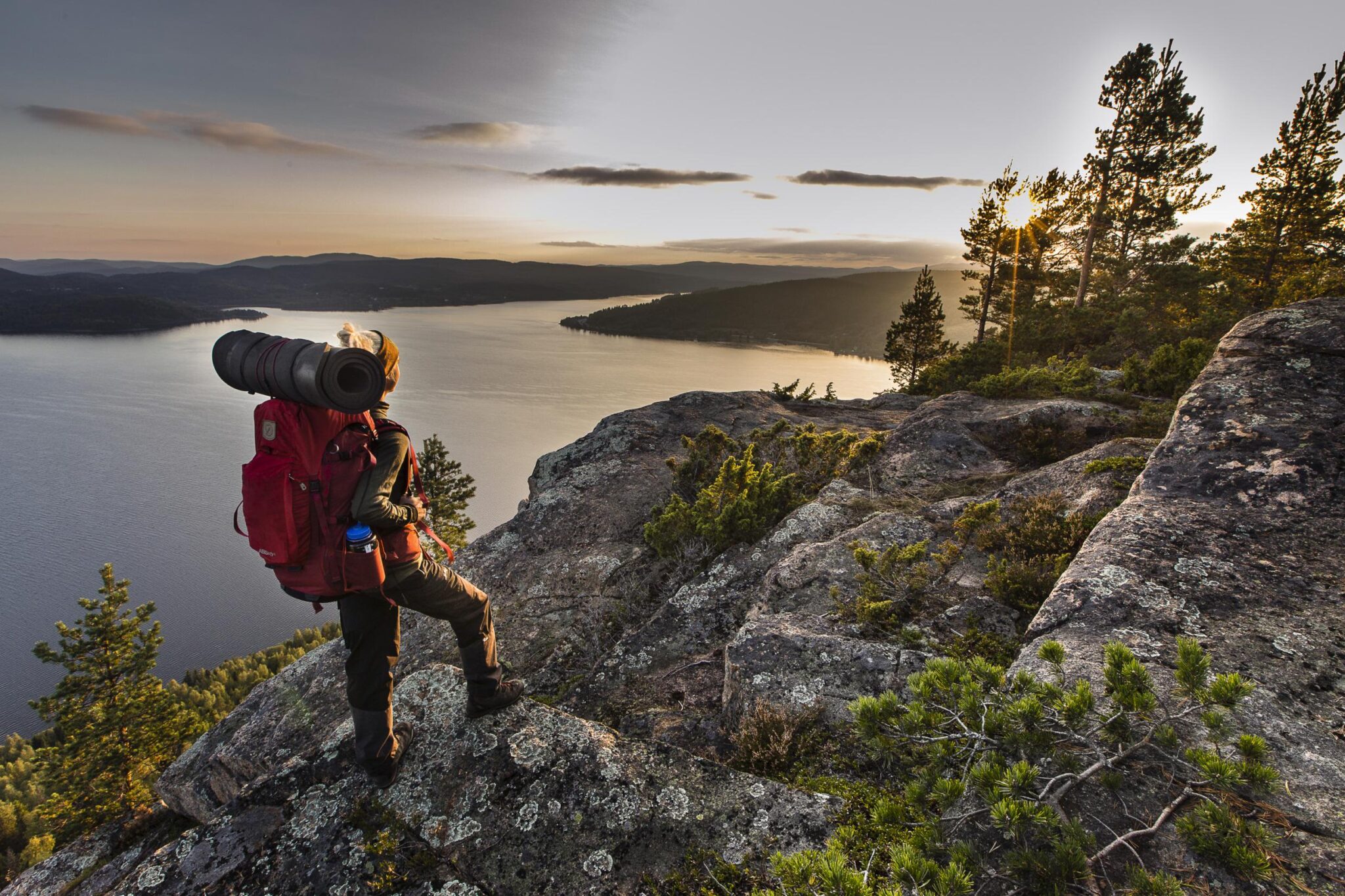
The High Coast of Sweden offers a combination of conditions that reflect evolutionary environments.
It includes:
- strong seasonal variation
- natural light cycles
- temperature shifts
- varied terrain
- low environmental noise
These characteristics are explored in more detail in the High Coast as a longevity environment, where geography and biology intersect.
At High Coast Longevity Intelligence, this environment is not a backdrop.
It is integrated into the model as a biological input.
Integrating the System
A complete longevity model connects:
- biology (what is happening internally)
- measurement (how it is tracked)
- environment (what influences it)
- behavior (how it is applied)
These elements form a feedback loop:
- Measure
- Interpret
- Apply
- Adapt
- Measure again
Over time, this creates a structured approach to long-term health.
From Concept to Application
The goal of a system-based model is not only to understand longevity.
It is to apply it.
This includes:
- translating data into action
- structuring routines
- using environment deliberately
- tracking outcomes over time
The result is not a single intervention, but a continuous process.
Longevity at High Coast Longevity Intelligence
High Coast Longevity Intelligence is built around this model.
It integrates:
- diagnostics and measurement
- environmental conditions
- structured behavioral patterns
- long-term development
The aim is not to provide isolated solutions, but to create a framework where health can be understood and developed over time.
Conclusion
Longevity is often approached through individual actions.
A more effective approach considers the system as a whole.
By connecting biology, environment, behavior, and time, it becomes possible to move from fragmented efforts to structured development.
This represents a shift:
From intervention → to system
From reaction → to measurement
From isolation → to integration
And ultimately:
From managing health → to understanding it.