

The idea behind High Coast Longevity Intelligence
High Coast Longevity Intelligence is built on a simple observation
Modern healthcare is highly effective — but primarily reactive.
Longevity Intelligence requires a different starting point.




From reactive to proactive
Healthcare systems are designed to diagnose and treat disease.
This approach is necessary, but it begins late — often after symptoms appear.
Longevity Intelligence shifts the focus earlier:
- understanding biological changes before disease develops
- identifying risk patterns over time
- supporting long-term function rather than short-term intervention
This transition is fundamental.


Health as a continuos process
Health is not static.
It evolves over time, influenced by:
- metabolism
- inflammation
- environment
- lifestyle
- genetics
Rather than isolated events, these factors form a continuous process.
High Coast Longevity Intelligence is built to observe and influence this process over time.
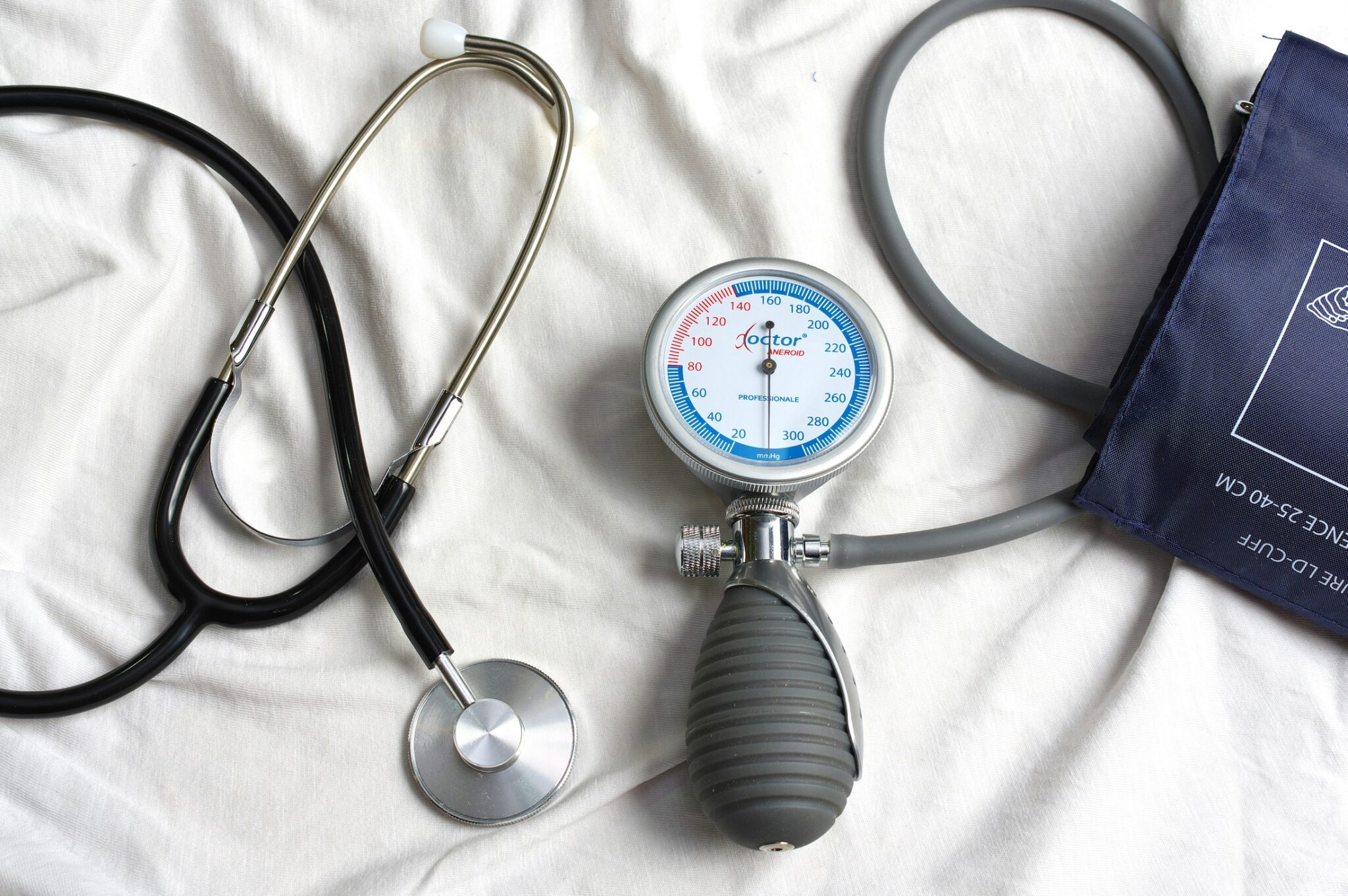
Measurement as foundation
A key principle is that:
what is not measured cannot be understood
The model is based on:
- structured diagnostics
- repeated measurements
- interpretation of biological markers
This creates a clearer picture of how the body changes over time.

From data to decisions
Data alone does not improve health.
The value lies in:
- interpretation
- context
- actionable adjustments
High Coast Longevity Intelligence focuses on translating biological data into meaningful decisions.
Beyond single interventions
There is no single solution for longevity.
Supplements, lifestyle changes, or treatments in isolation are limited.
Instead, longevity emerges from the interaction between:
- diagnostics
- environment
- biological support
- structured routines
This integrated perspective is central to the model.

Built in context
The idea is not abstract.
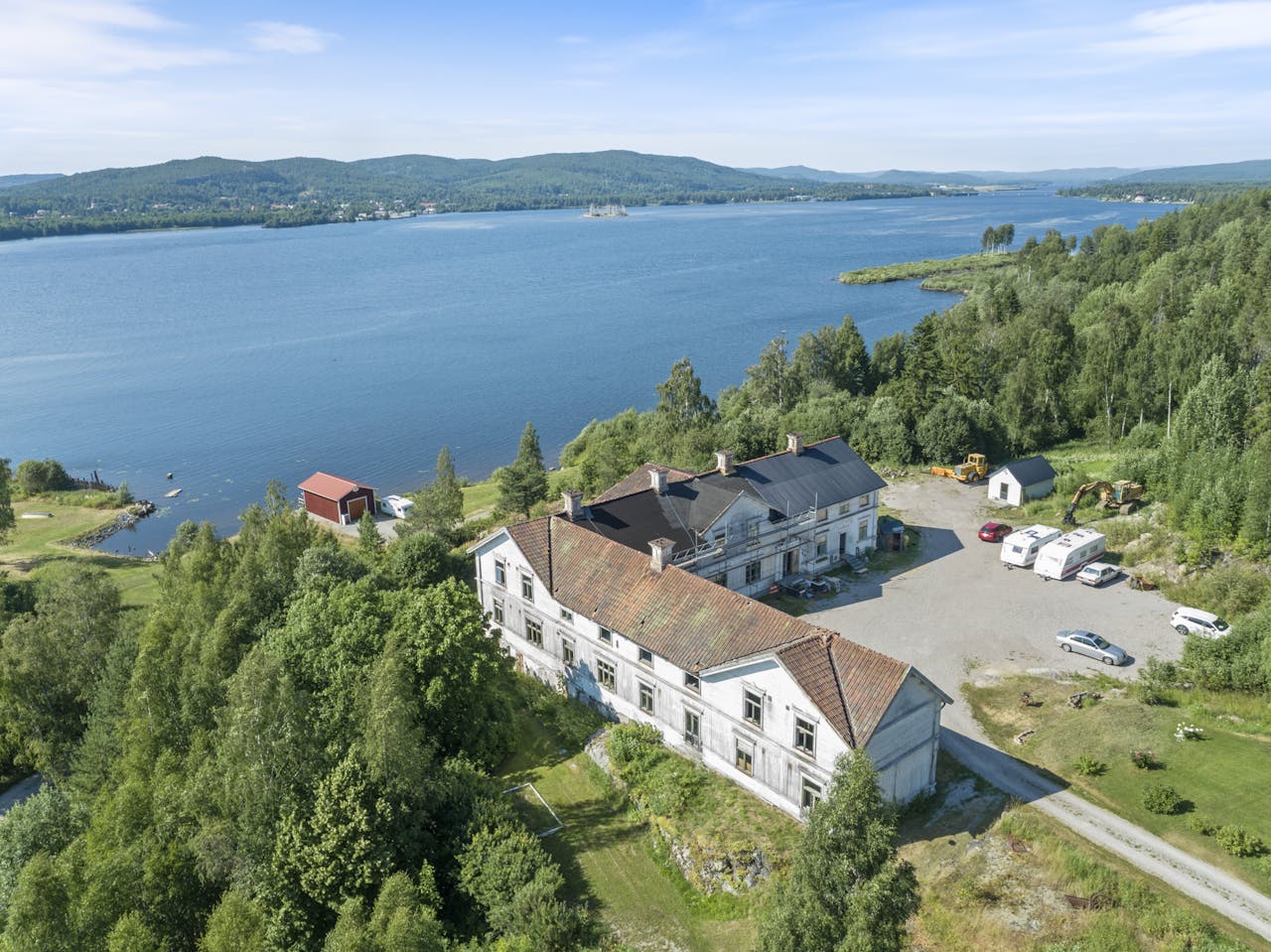
It is grounded in a physical environment — Borgen Marieberg, in the High Coast.
This allows:
- consistent conditions
- structured routines
- integration between data and experience
The idea becomes something that can be tested, refined, and developed over time.