
A new model for health
Health is often treated as the absence of disease.
High Coast Longevity Intelligence is built on a different premise:
Health is a dynamic, measurable, and continuously evolving process.




Health is not static
Traditional models tend to divide people into categories:
- healthy
- at risk
- diseased
In reality, health exists on a continuum.
Biological systems are constantly changing:
- metabolism
- inflammation
- vascular function
- cellular repair
A relevant model must account for this continuous variation.


From events to trajectories
Healthcare often focuses on events:
- a diagnosis
- a symptom
- a treatment
A longevity model focuses on trajectories.
It asks:
- how is the body changing over time?
- in which direction is it moving?
- what patterns are emerging?
Understanding trajectories allows for earlier and more precise adjustments.
Measurement as a core principle
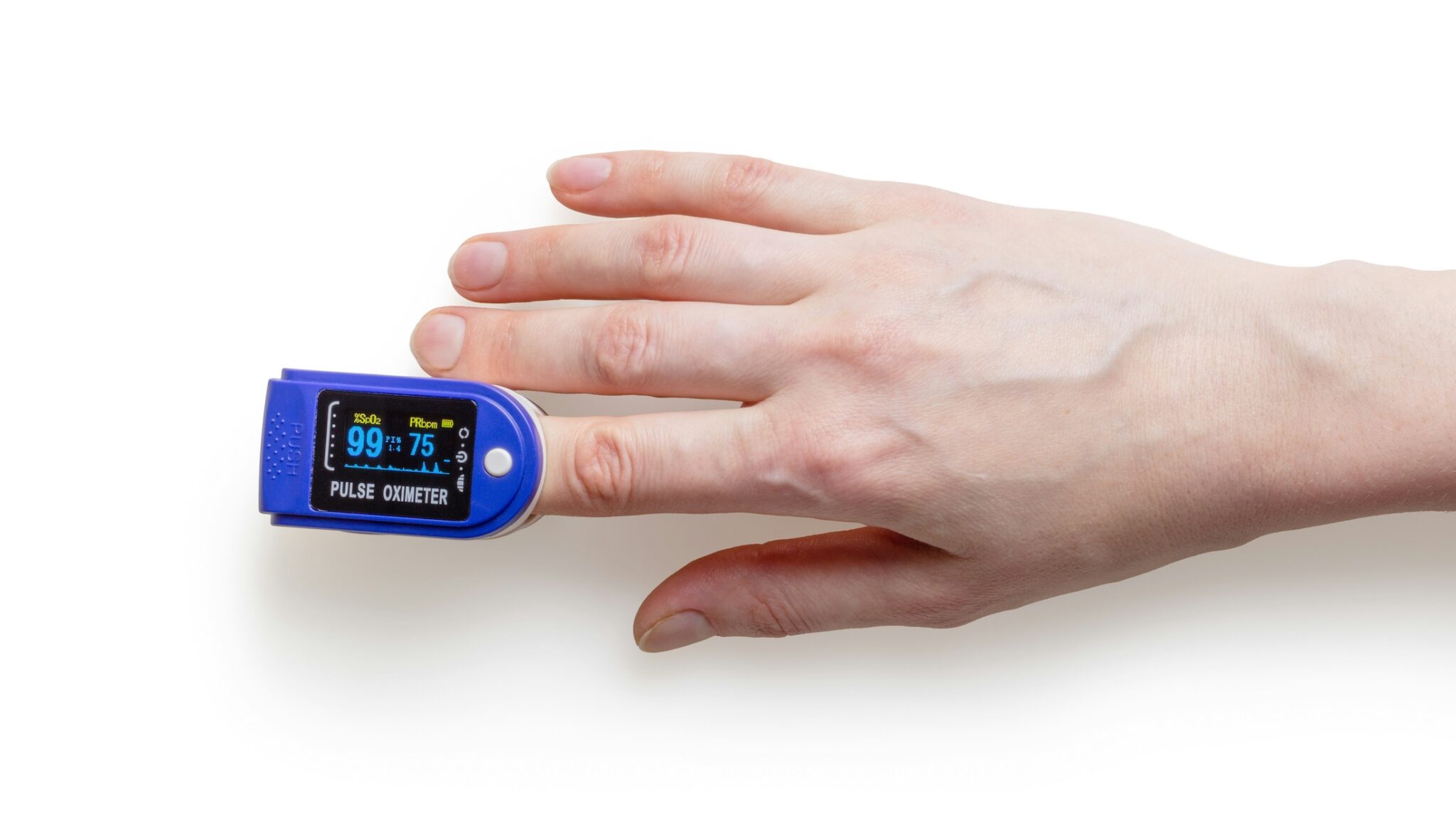
A central element of the model is structured measurement.
This includes:
- diagnostic testing
- tracking biological markers
- repeated assessments over time
The objective is not only to detect problems, but to understand patterns.


Interpretation and context
Data without context has limited value.
The model emphasizes:
- interpretation of results
- understanding relationships between systems
- translating data into actionable insights
This creates a bridge between measurement and decision-making.
Integrated intervention
Health cannot be improved through isolated actions.
The model integrates multiple elements:
- biological support (nutrition, compounds)
- environmental factors (light, nature, recovery)
- structured routines
- behavioral adjustments
These are applied together, not separately.


Environment as a part of the model
The physical environment is not a background factor.
At High Coast Longevity Intelligence, it is part of the model itself.
The High Coast provides:
- natural variation
- reduced external stress
- conditions that support recovery and regulation
This allows interventions to be applied in a consistent context.
A continuous loop
The model is built around an iterative process:
Measure → Interpret → Adjust → Follow up
Over time, this creates:
- better understanding
- more precise interventions
- improved long-term outcomes

From fragmentation to structure
Much of modern health optimization is fragmented:
- isolated tests
- disconnected advice
- short-term interventions
This model is designed to provide:
- structure
- continuity
- integration
A long-term framwork
This is not a short-term solution.
It is a framework designed to:
- operate over years
- adapt to change
- support long-term health and function