

The four pillars of longevity
High Coast Longevity Intelligence is built as a structured system for long-term health.
At its core are four interconnected pillars — each addressing a fundamental aspect of human biology and health over time.
Together, they form a complete and integrated model.
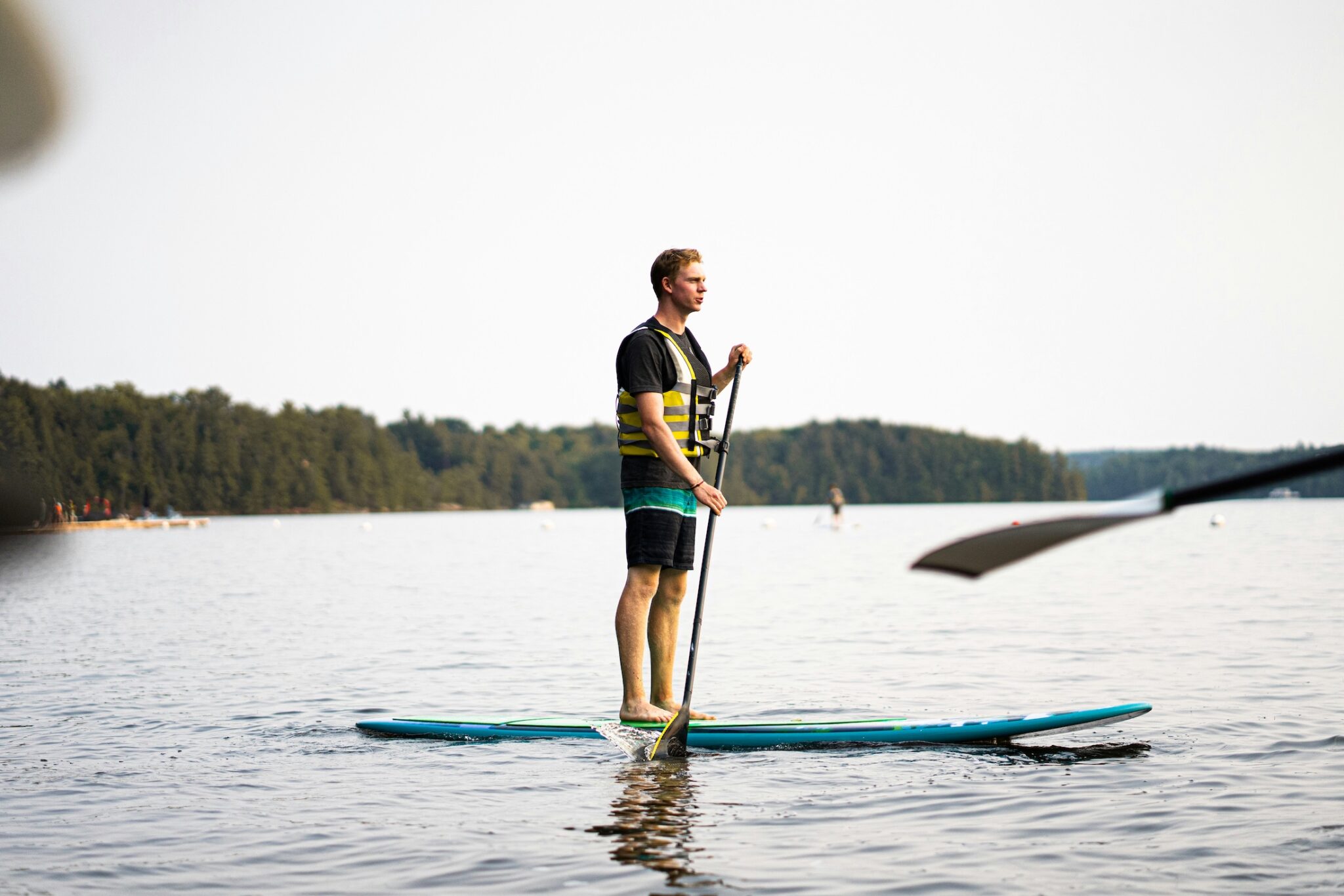



A structured approach
Longevity is often approached through isolated strategies:
- a supplement
- a lifestyle change
- a diagnostic test
Individually, these have limited impact.
High Coast Longevity Intelligence is built on the idea that long-term health requires a structured combination of approaches — applied together, over time.


Pillar 1
Nutraceutical production
The first pillar focuses on biologically active compounds.
This includes:
- extraction of Nordic raw materials such as bilberry, lingonberry, and cloudberry
- development of formulations targeting mitochondrial function and cellular processes
- controlled production environments, including advanced cultivation systems
The goal is to support biological function through well-defined compounds.
Pillar 2
Nature-Based Longevity
The second pillar is the role of environment.
At Borgen Marieberg and the High Coast, the model integrates:
- natural surroundings
- seasonal variation
- structured exposure to environment
These conditions influence:
- recovery
- circadian rhythms
- stress regulation
Nature is not a background — it is part of the intervention.

These components are not separate, they reinforce each other.

Pillar 3
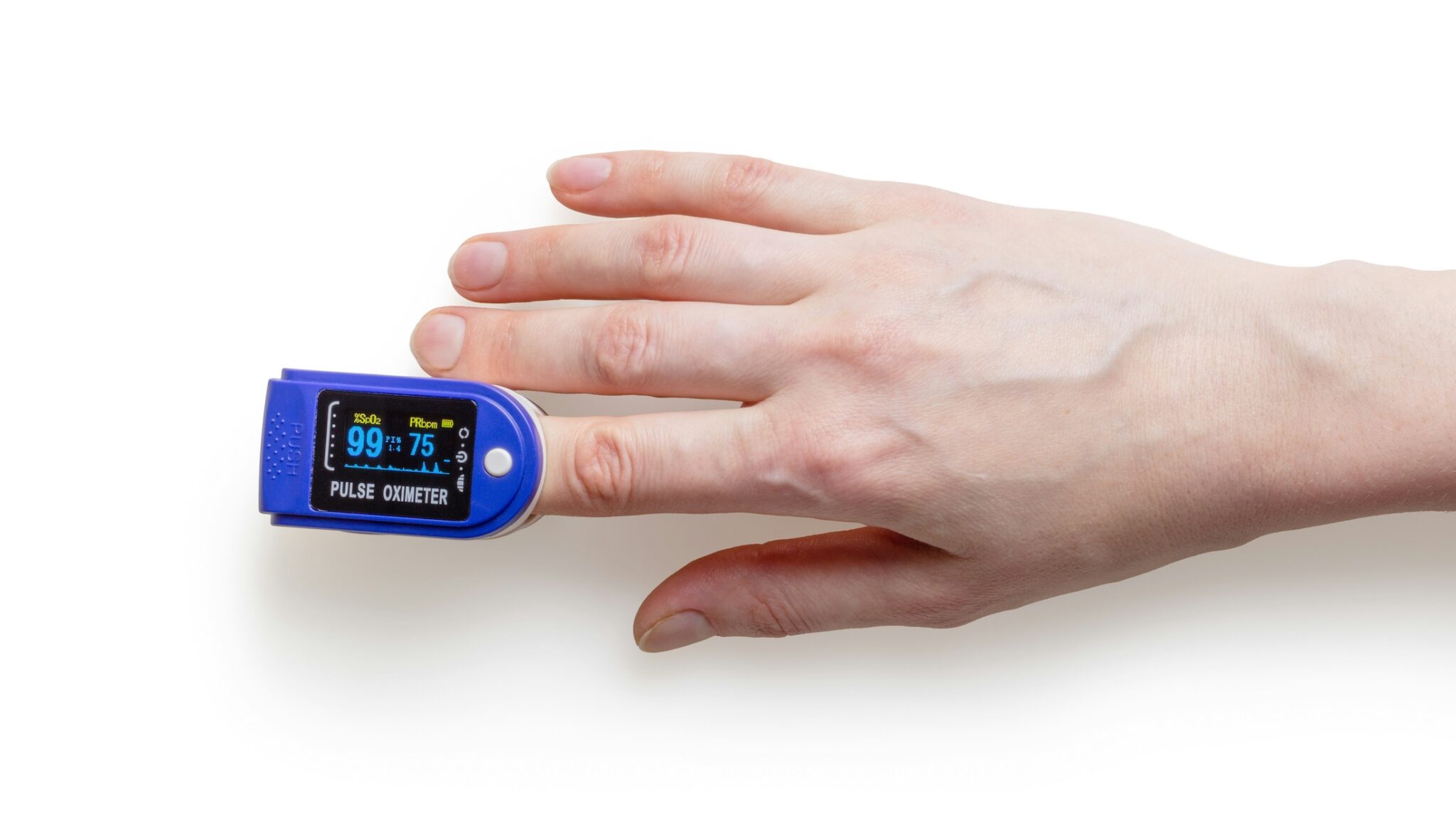
Diagnostics & Monitoring
The third pillar is measurement.
This includes:
- blood-based biomarkers
- metabolic and inflammatory markers
- longitudinal tracking over time
The purpose is to:
- understand biological status
- detect early changes
- guide interventions
Measurement creates the foundation for precision.
Pillar 4
Education & Programs
The fourth pillar focuses on application.
This includes:
- structured longevity programs
- education and guidance
- integration of diagnostics, biology, and environment
The aim is to translate knowledge into practice — consistently and over time.

These components are not separate, they reinforce each other.
How the pillars work together
Each pillar supports the others:
- Diagnostics identify needs
- Nutraceuticals support biology
- Environment enhances outcomes
- Programs create structure and consistency
This interaction creates a continuous system rather than isolated actions.

From components to system
The strength of the model lies not in any single pillar.
It lies in:
- integration
- continuity
- structured application
Together, the four pillars form a complete approach to long-term health.
A foundation for development
These pillars are not static.
They are designed to:
- evolve with new research
- integrate new methods
- expand over time
This allows the model to develop as knowledge increases.