

The High Coast Context
The High Coast of Sweden is not only a geographical location.
It is a set of environmental conditions that influence how biological systems function over time.
At High Coast Longevity Intelligence, this context is not treated as a backdrop, but as part of the broader system in which health, recovery, and long-term adaptation are developed.


A landscape in continuous change
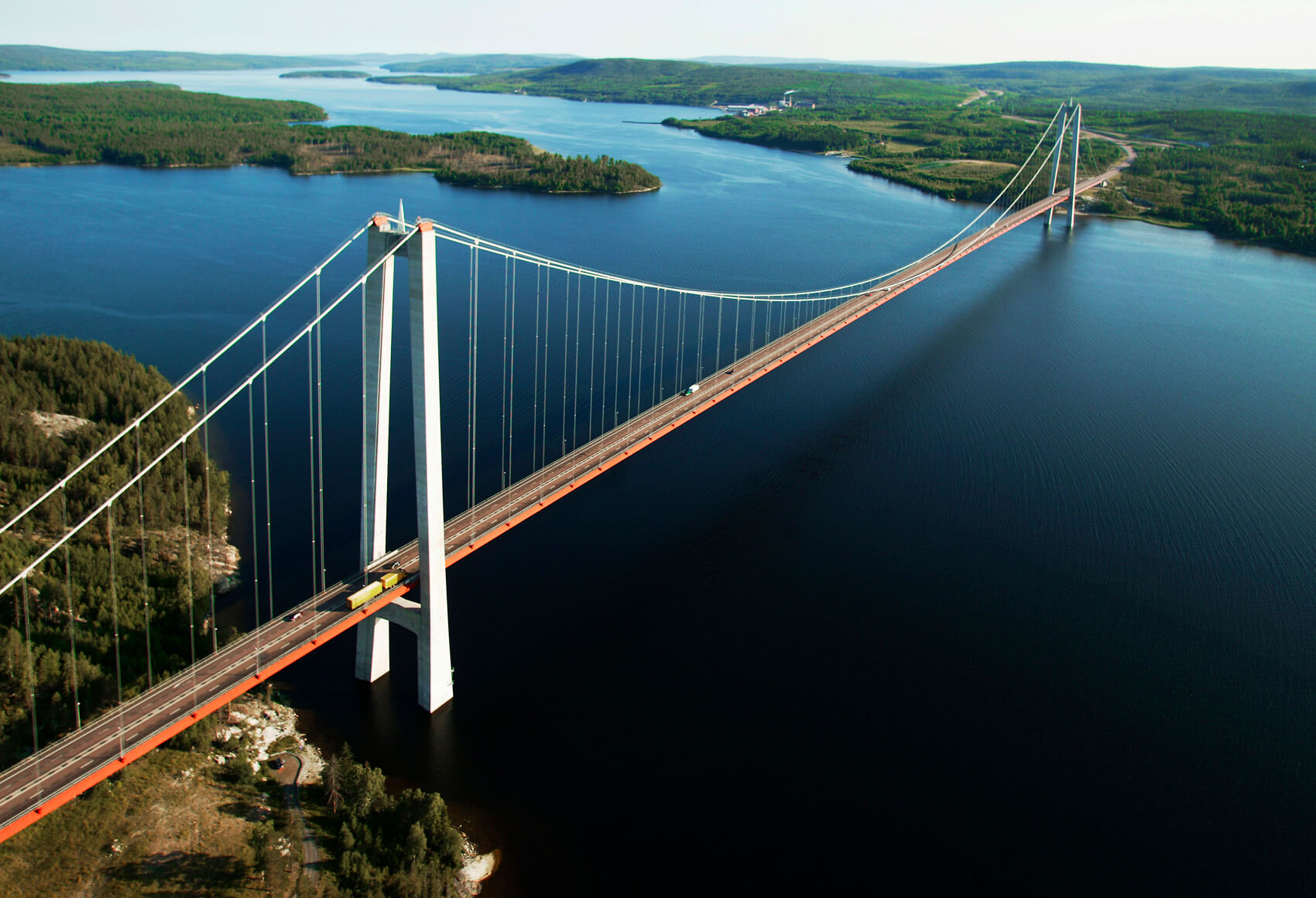
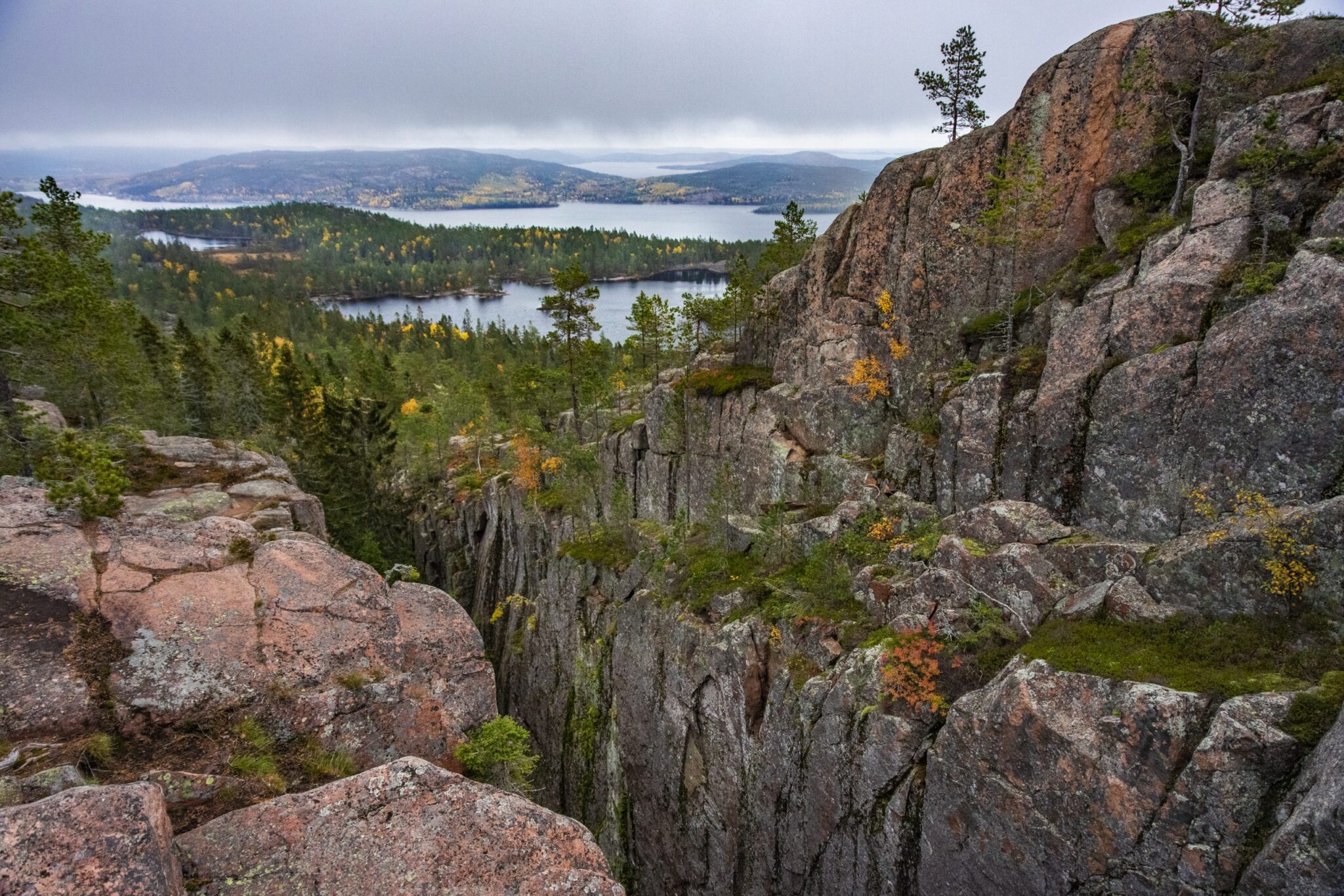
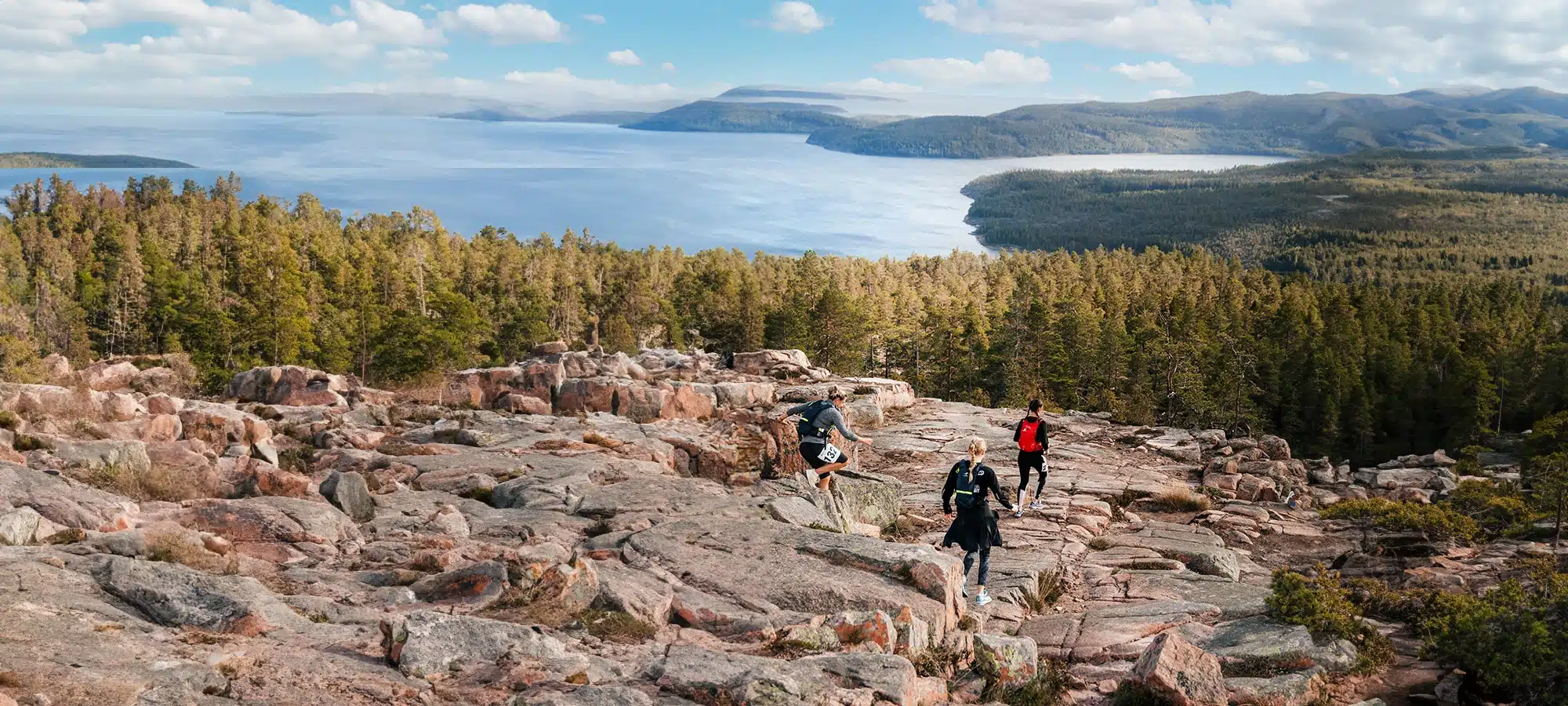
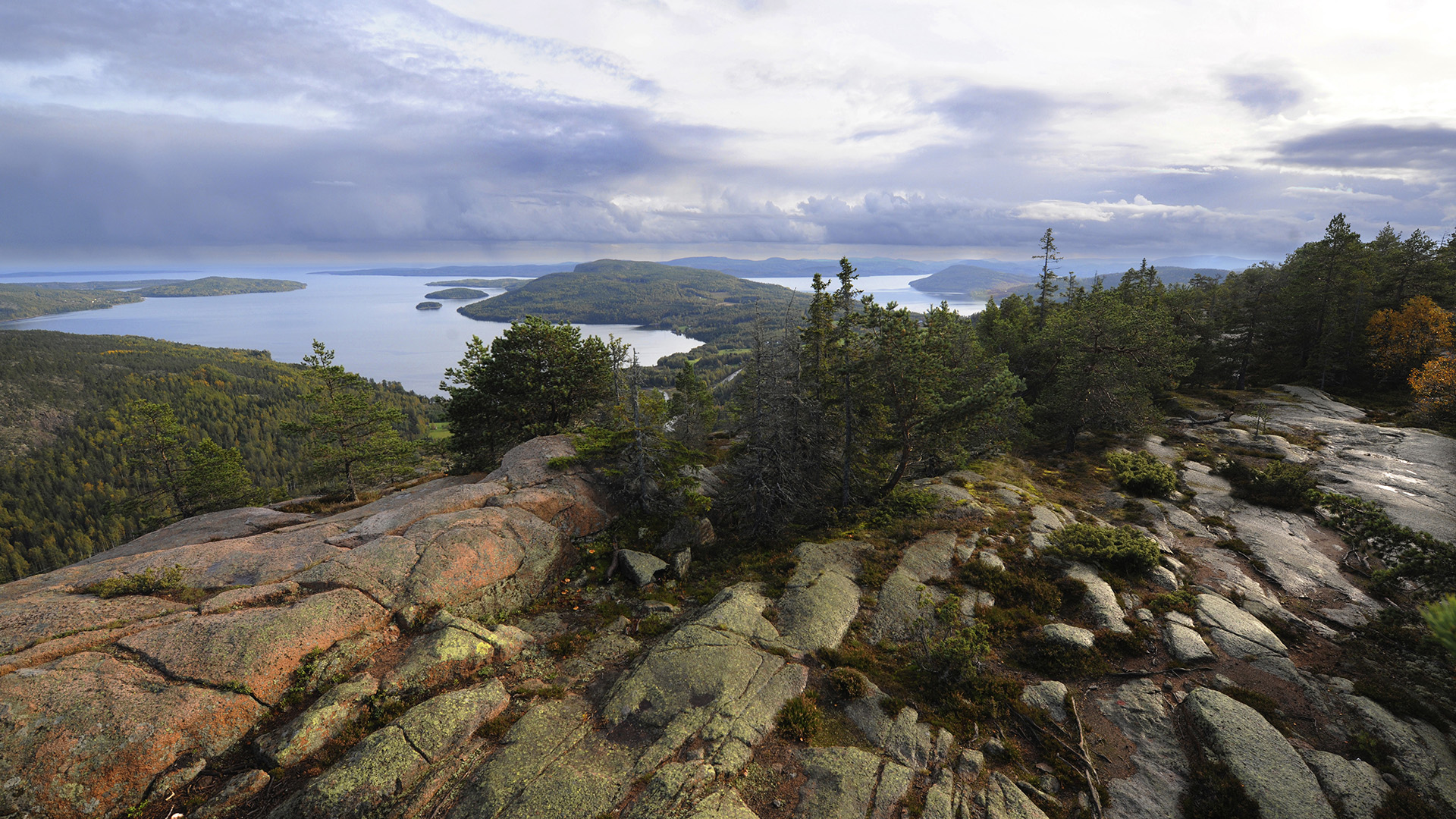
The High Coast is one of the most geologically unique regions in the world.
Following the last ice age, the land continues to rise — a process known as post-glacial rebound. The coastline reaches heights of up to 286 meters above sea level, the highest of its kind globally.
This creates a landscape that is not static, but continuously evolving.
Over time, this has shaped a combination of:
steep coastlines and cliffs
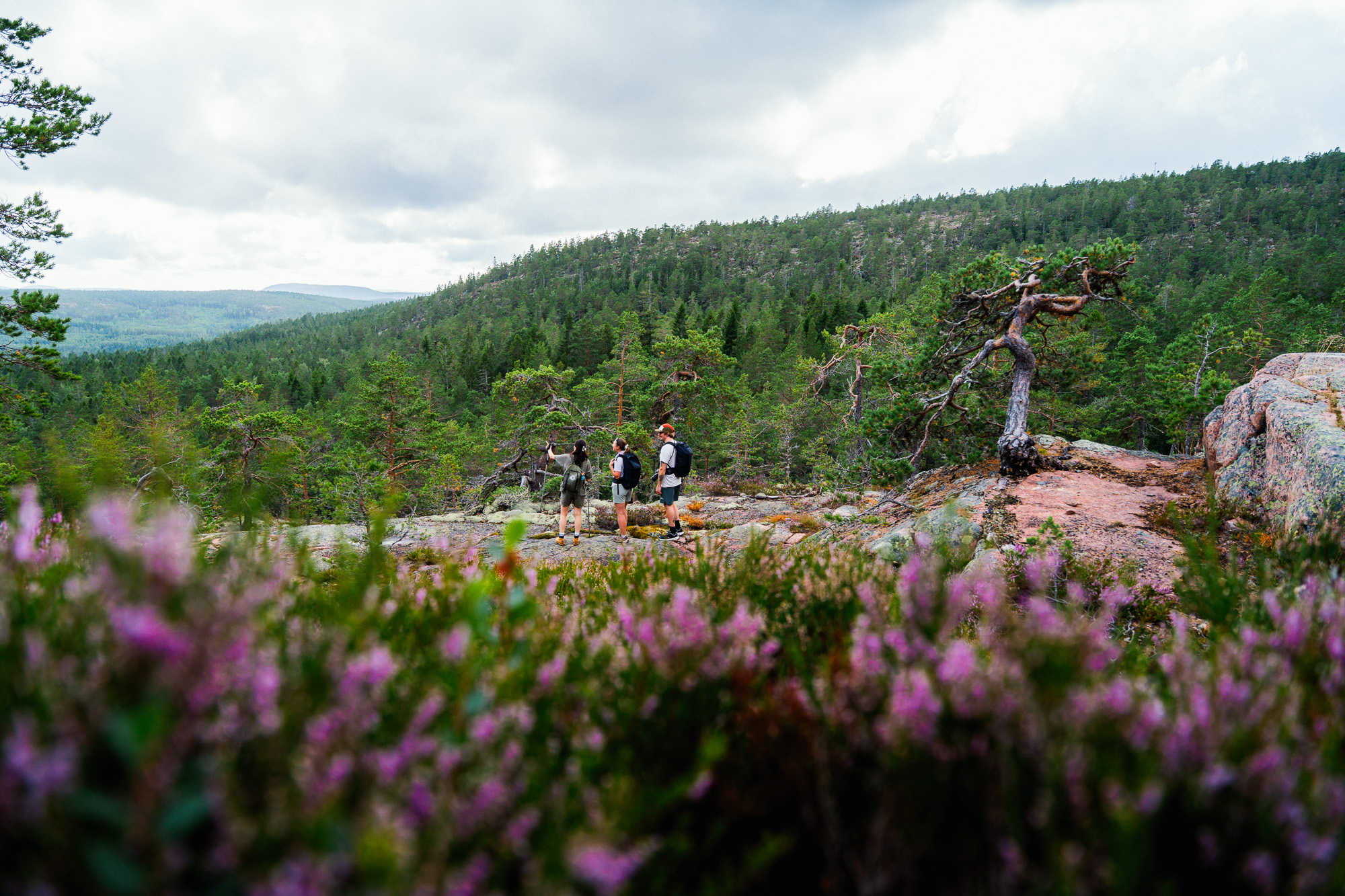
deep forests and varied terrain
proximity between land, river, and sea
This environment reflects long-term natural processes rather than controlled or artificial conditions.
Environment as biological input
The High Coast is defined by variation.
Across the year, the region experiences:
large shifts in daylight
temperature variation across seasons
changing patterns of activity and recovery
These factors influence:
circadian rhythm and sleep
metabolic regulation
stress response systems
recovery capacity
In many modern environments, these inputs are reduced or removed.
Here, they remain present.
From environment to system
At High Coast Longevity Intelligence, the environment is not used in isolation.
It is combined with:
measurement and diagnostics
structured routines
long-term tracking
This creates a system where environmental conditions become part of how biological function is understood and developed over time.

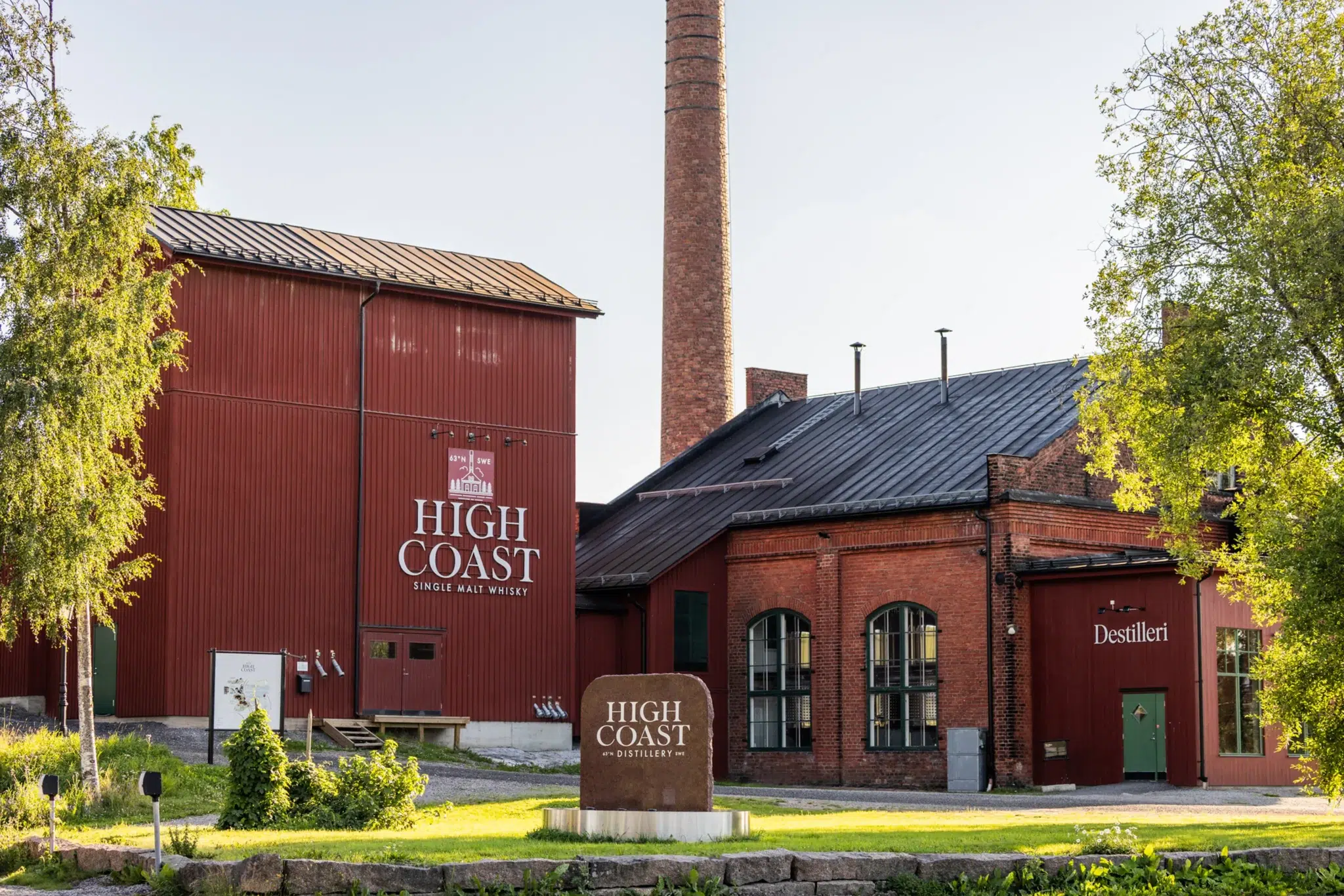
Culture and Craft
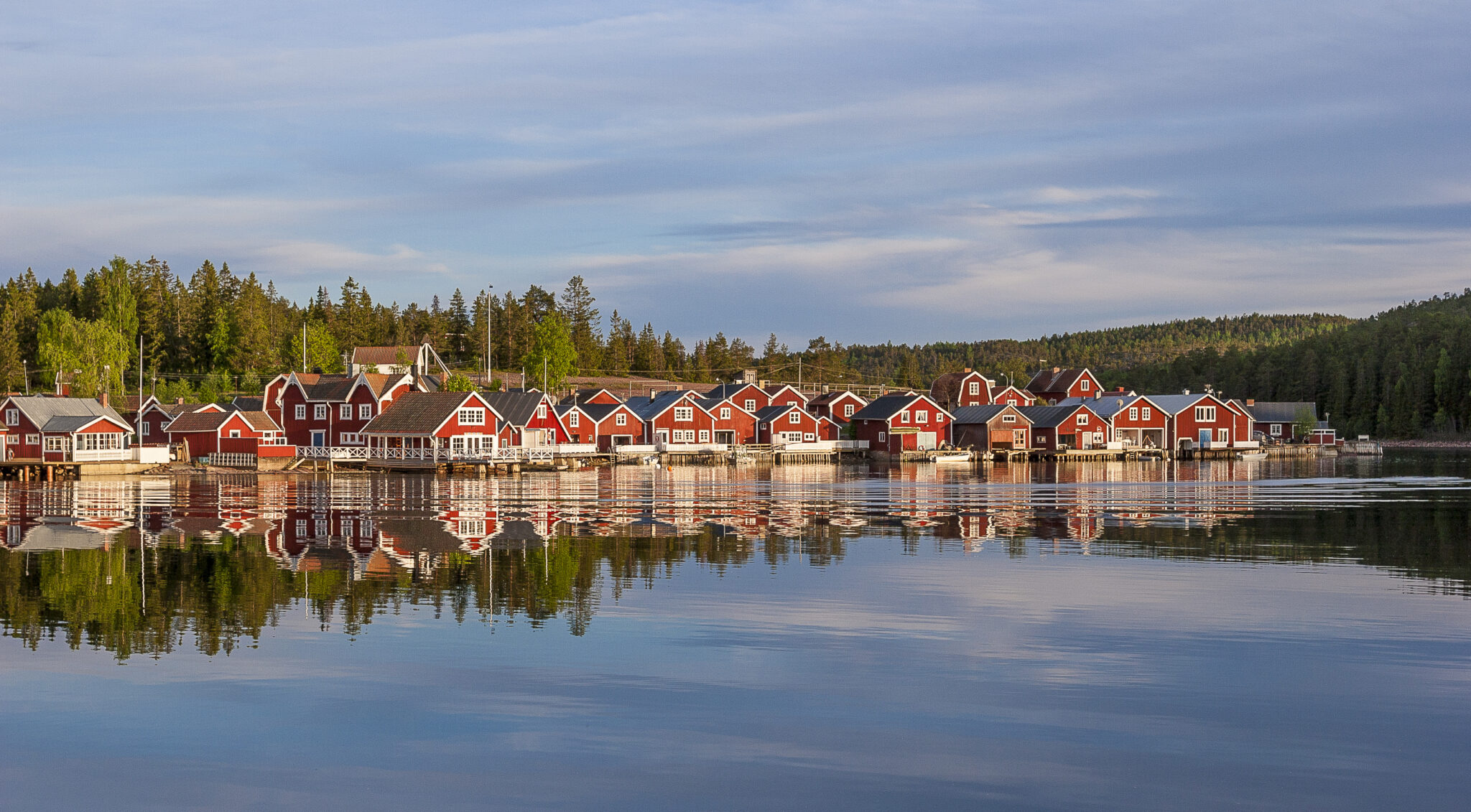
The High Coast is also shaped by local production, craftsmanship, and industry.
One of the closest neighboring establishments is High Coast Distillery — an internationally recognized producer rooted in the same landscape.
This reflects a broader characteristic of the region:
a connection between natural resources, environment, and human production.
At High Coast Longevity Intelligence, such elements are not part of the biological model itself.
They represent the cultural and social context in which the system exists — distinct from, but coexisting with, the scientific and environmental approach to long-term health.
A low-noise environment
In addition to physical conditions, the High Coast is characterized by:
low population density
reduced environmental noise
limited artificial disturbance
These conditions influence:
cognitive load
stress levels
recovery patterns
This aspect of environment is less visible, but plays a role in long-term function.

The High Coast in the model
The High Coast is not presented as a solution in itself.
Environment alone does not determine long-term health.
However, when combined with:
biological understanding
measurement
structured application
it becomes a meaningful component of a broader system.
High Coast as a context, not only a destination
The High Coast provides a combination of conditions that reflect environments in which human biology developed.
By understanding how these conditions influence biological systems, it becomes possible to integrate environment as part of a structured approach to longevity.
This is the role of the High Coast within High Coast Longevity Intelligence:
not as a destination, but as a context.