
From treatment to prevention
Most healthcare begins when something is already wrong.
Longevity begins earlier.



A system designed for treatment
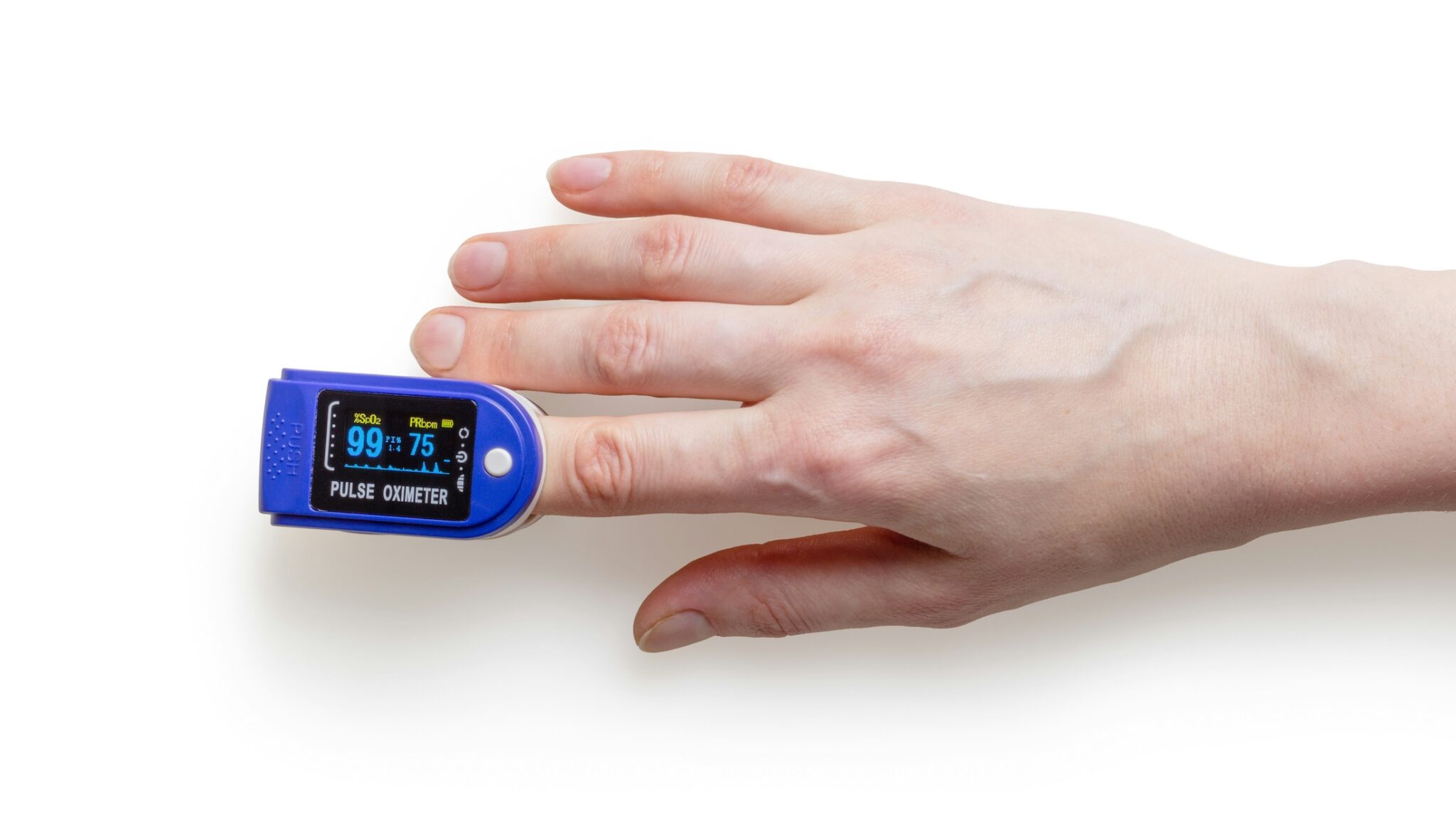
Modern healthcare is built to:
- diagnose disease
- treat symptoms
- manage conditions
This approach is effective and necessary.
But it is primarily activated after a problem has developed.

The timing gap
Between “healthy” and “disease” there is often a long period where:
- biological systems begin to change
- early dysfunction develops
- risk accumulates over time
This phase can last for years.
It is rarely addressed in a structured way.
Prevention as a continuous process
Prevention is not a single action.
It is a continuous process of:
- observation
- measurement
- adjustment
Rather than waiting for symptoms, the focus is on understanding how the body evolves over time.


Early signals
The body does not change suddenly.
It provides early signals through:
- metabolic markers
- inflammatory patterns
- vascular function
- cellular activity
These signals can be measured and interpreted before disease appears.
A different approach
Instead of reacting to events, a preventive model focuses on:
- identifying trends over time
- understanding individual patterns
- making gradual adjustments
This allows for earlier and more precise interventions.


Integration
Prevention is not only clinical.
It includes:
- environment
- lifestyle
- biological support
- structured routines
These elements must work together to have a meaningful effect.
Long-term perspective
Prevention is not about avoiding a single outcome.
It is about:
- maintaining function
- delaying decline
- supporting resilience
Over time, small adjustments can have significant cumulative effects.

From concept to application
At High Coast Longevity Intelligence, this shift is applied through:
- structured diagnostics
- repeated measurement
- interpretation of data
- integration with environment and programs
The goal is to move from reaction to anticipation.
A shift in focus
The transition from treatment to prevention is not a replacement.
It is an extension.
Treatment remains essential.
Prevention adds a new layer — earlier, more continuous, and more structured.