
A Landscape Shaped by Time — and Still Changing
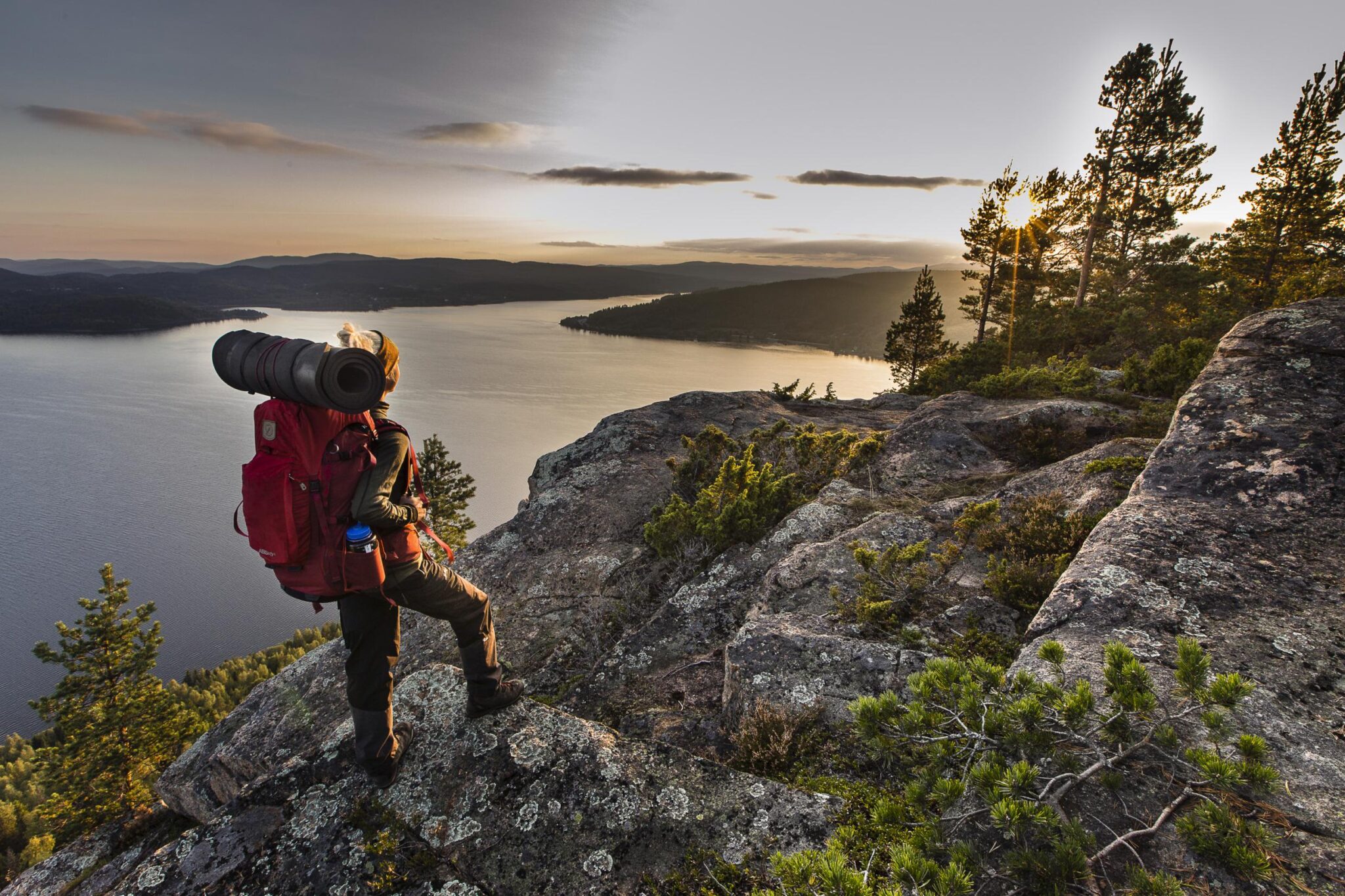
The High Coast of Sweden is one of the most geologically unique regions in the world.
Following the last ice age, the land has been rising continuously — a process known as post-glacial rebound. Today, the coastline reaches heights of up to 286 meters above sea level, the highest of its kind globally.
This is not a static landscape.
It is a region in continuous transformation.
But its significance is not only geological.
It also represents a set of environmental conditions that directly influence human biology.
More Than a Natural Setting
Many places are described as “beautiful” or “calm.”
The High Coast offers something different.
It combines:
- strong seasonal variation
- natural light cycles
- temperature shifts
- varied terrain
- proximity between forest, river, and sea
These are not just aesthetic qualities.
They are inputs that affect how the body functions — a perspective central to evolution-based longevity.
Light and Circadian Rhythm
The High Coast experiences large variations in daylight across the year.
- long days in summer
- short days in winter
These natural cycles influence:
- sleep patterns
- hormone regulation
- metabolic timing
Artificial light environments often disrupt these rhythms.
In contrast, natural light variation provides clear signals to the body.
Temperature and Adaptation
The climate in the High Coast includes significant variation.
Exposure to both cold and moderate temperatures influences:
- circulation
- metabolic activity
- stress response systems
Stable indoor climates reduce these signals.
Natural variation maintains them, supporting systems linked to nitric oxide function and vascular response.
Terrain and Movement
The High Coast is defined by:
- elevation changes
- forest paths
- rocky coastlines
- varied surfaces
Movement in this environment is different from uniform, flat conditions.
It engages:
- multiple muscle groups
- balance and coordination
- cardiovascular response
This creates a more complete physical stimulus.
Seasonal Variation and Biological Cycles
The region’s seasonal shifts affect:
- activity patterns
- energy use
- recovery cycles
Periods of higher activity alternate with periods of reduced intensity.
This variation supports:
- metabolic flexibility
- adaptation
- long-term resilience
Constant conditions, by contrast, tend to reduce these natural cycles.
Environment and Cellular Function
Environmental inputs influence processes at the cellular level.
They affect:
- mitochondrial activity
- oxidative balance
- inflammatory regulation
- cellular signaling
This connects the external environment directly to internal biological function and overall cellular health.
The High Coast provides a combination of conditions that continuously stimulate these systems.
A Low-Noise Environment
In addition to physical factors, the High Coast offers:
- low population density
- reduced environmental noise
- minimal artificial disturbance
These conditions influence:
- stress levels
- cognitive load
- recovery capacity
This is often overlooked but plays a role in long-term health.
From Environment to System
The High Coast is not a solution in itself.
Environment alone does not create long-term health.
However, when combined with:
- measurement
- structured routines
- understanding of biological systems
it becomes a powerful component in a larger system — part of a broader model for longevity.
The High Coast at High Coast Longevity Intelligence
At High Coast Longevity Intelligence, the environment is not treated as a backdrop.
It is integrated as part of a system that connects:
- diagnostics
- environment
- behavior
- long-term development
The aim is to use the natural conditions of the High Coast to support:
- adaptation
- recovery
- biological function over time
Conclusion
The High Coast is unique not only because of its landscape, but because of the conditions it provides.
These conditions reflect environments in which human biology developed.
By understanding how light, temperature, terrain, and seasonal variation influence the body, it becomes possible to use environment as an active component of longevity.
This shifts the perspective from isolated interventions to a more integrated approach — where place, biology, and time are connected.